 897 Lexington Ave. New York, NY 10065
 212-517-7900
 Most people believe that acne is something only teenagers must deal with. Unfortunately, the condition doesn’t always go away with adulthood, with clinical studies showing that almost half of the women in their 20s have acne. The prevalence does decrease with age, but that doesn’t change the fact that 33 percent of women in their 30s still get acne breakouts.
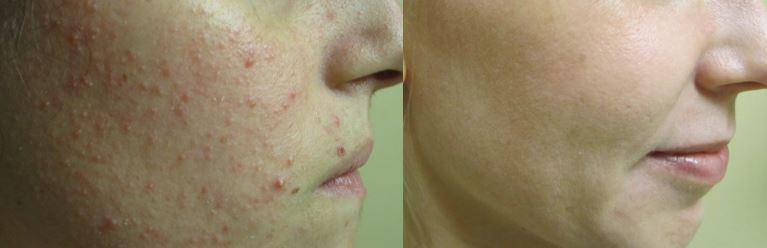
Acne can be painful and even leave scars on the face, but there’s also a silver lining: the condition can be controlled if you know the cause and triggers. There are also new treatment options that address acne at the root, and we’re going to explore them in this blog.
What Is Adult Acne?
Adult acne is a condition that occurs in individuals past their 20s, involving the sebaceous glands and the hair follicles (pores). Excess sebum traps dirt, bacteria, and dead skin cells, triggering an inflammatory process. Depending on the case, it can lead to whiteheads, blackheads, pimples, and even painful, deep cysts.
Acne is more common on the face, but it can appear on any area of the body where you have sebaceous glands (which are almost everywhere). Aside from the face, most people get acne on areas like the chest, back, shoulders, and buttocks.
What Causes Acne in Adults?
Acne has numerous causes that feed the breakout potential. Here are the circumstances that usually lead to the condition:
1. Hormonal Shifts
Hormonal shifts are generally the most common cause of acne because the imbalance triggers an excess of oil production. Estrogen suppresses sebum production when it’s at higher levels, but high levels of progesterone have the same effect.
Testosterone also binds to sebaceous gland receptors, causing them to become more active and increase oil production. This sebum eventually ends up on your skin, where it clogs your pores and triggers an acne breakout.
2. Medication
Medications such as steroids, lithium, some anticonvulsants, and even certain birth control options can cause your hormones to go haywire. Depending on the active agents, they can alter hormonal levels by mimicking their effect. This causes the sebaceous glands to produce more sebum.
3. Poor Diet
Diets that are high in carbohydrates, sugar, and certain fats (usually in processed foods) cause a rapid rise in blood sugar. This makes the body release more IGF-1 hormones, which stimulate the pathways responsible for lipid synthesis. The sebaceous glands produce more sebum as a result, increasing the likelihood of a breakout.
4. Bad Hygiene
Bad hygiene compromises your skin barrier and creates the perfect environment for acne. For example, not showering after sweating can cause dirt to enter your pores, which later become trapped by sebum. Over-washing and over-scrubbing also irritate and dry the skin, causing the sebaceous glands to produce more of the “protective” sebum to compensate.
5. Cortisol Overproduction
Excess cortisol directly increases sebum production in your oil glands, making you more likely to experience a breakout. Stress also triggers an inflammatory process in the body that delays wound repair, worsening the acne breakout and making it more likely to heal with scars.
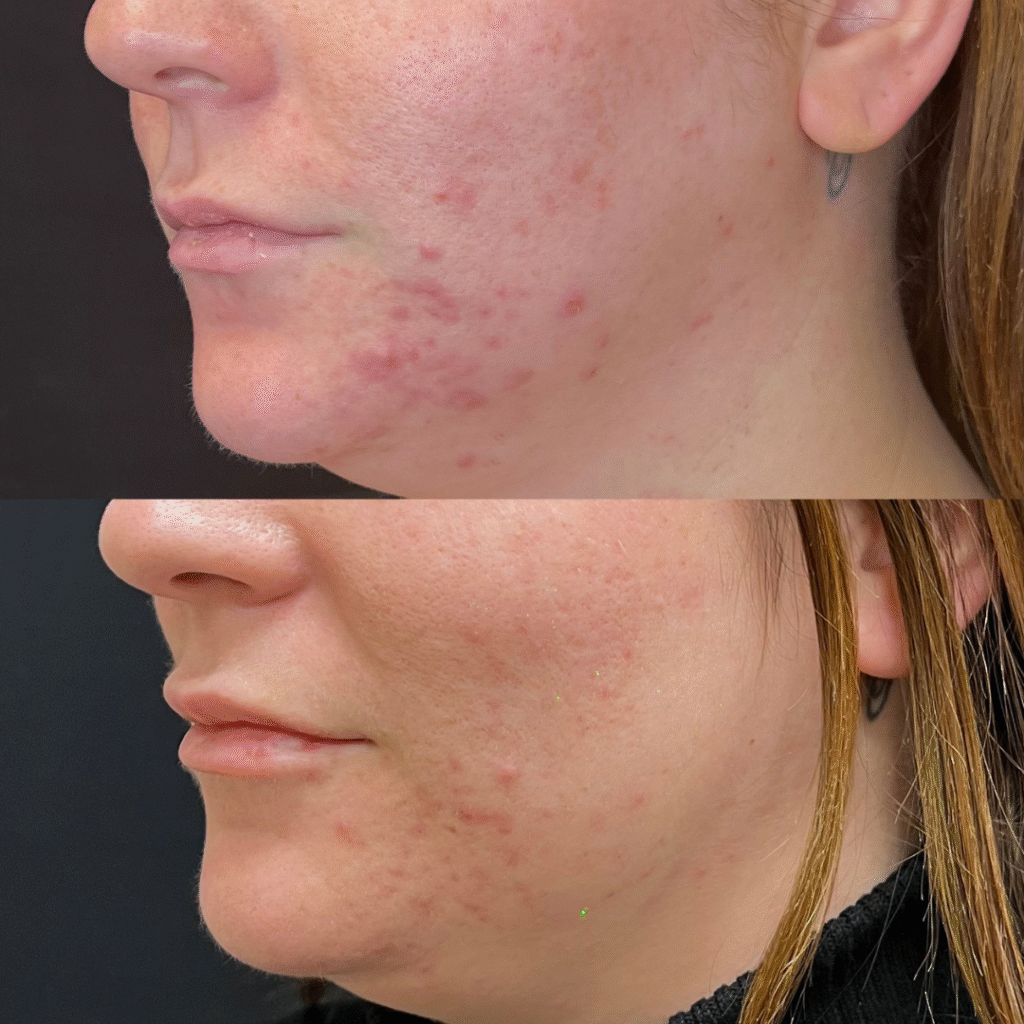
Common Acne Triggers
Acne rarely appears out of nowhere. In most cases, there’s a trigger that makes it flare. Here are the most common ones:
- Menstruation: Progesterone rises in the days before your period and gradually drops right as you start bleeding. It’s why women usually get more acne after ovulation.
- Stressful Events: Big deadlines or emotional stress cause cortisol levels to spike and increase sebum production. It’s why you get more acne when you’re stressed.
- Poorly Chosen Skincare: Heavy skincare based on oils can clog the pores and trap bacteria, worsening acne. Frequent use of alcohol-based formula also strips the skin of moisture, causing the glands to overproduce oil.
- Face Touching: Frequently touching your face with your hands or phone transfers bacteria, which can get trapped in your pores. This worsens blockages and triggers breakouts.
- Dirty Makeup Tools: Constantly using dirty brushes triggers and worsens acne, as they accumulate dead skin, oil, and bacteria. These are transferred to the skin, clogging your pores and triggering inflammatory breakouts.
While some of these triggers cannot be avoided, gentle skincare and the appropriate acne treatment can reduce the chances of acne.
Modern Treatments to Address Acne
In the past, it was believed that keeping your face clean was the only way to control acne. Isotretinoin (Accutane) was also often prescribed to address chronic acne. In modern times, however, there are plenty of solutions to reduce the breakouts without resorting to medication.
- AviClear™ Treatment: This modern treatment uses a 1726nm laser to target the oil glands and prevent sebum overproduction. AviClear™ is a full-body treatment that addresses most types of acne.
- Laser Therapy: Some lasers, such as CUTERA® Genesis, trigger a new production of collagen while destroying the acne-causing bacteria. As the pores shrink, the chances of acne breakouts become smaller.
- Exfoliating Treatments: Facial procedures like DiamondGlow® unclog the pores, remove dead cells, and nourish the skin. This prevents the overproduction of sebum, with specialized serums (e.g., salicylic acid) reducing the inflammation and preventing acne.
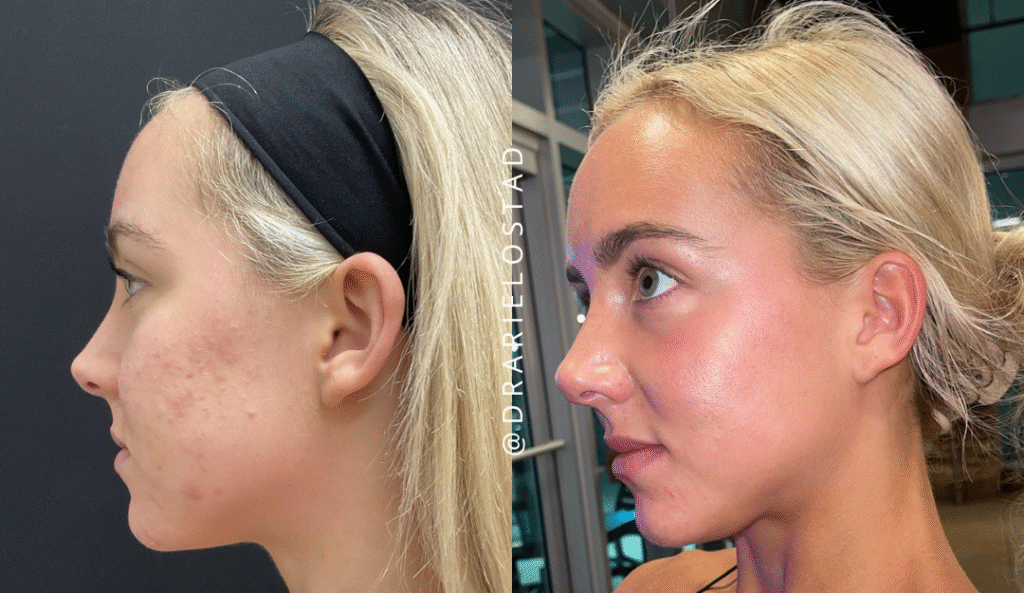
Each breakout is different, which is why a consultation is necessary. Contact Dr. Ariel Ostad to see what works best for you.
Start Your Acne Control Journey Today!
Acne does not have to be a permanent part of your life! Once you understand the causes and triggers, you can choose the appropriate treatment for it. Schedule an appointment with Dr. Ariel Ostad and start your journey towards clear skin!
For more information about acne and the treatments that can help, contact Dr. Ariel Ostad at 212-517-7900. He can offer the insight you need to obtain long-term results. Fill out the online contact form, and we will get in touch with you soon!
Schedule a
Consultation
Consultation
By submitting this form you agree to be contacted via phone/text/email.