 897 Lexington Ave. New York, NY 10065
 212-517-7900
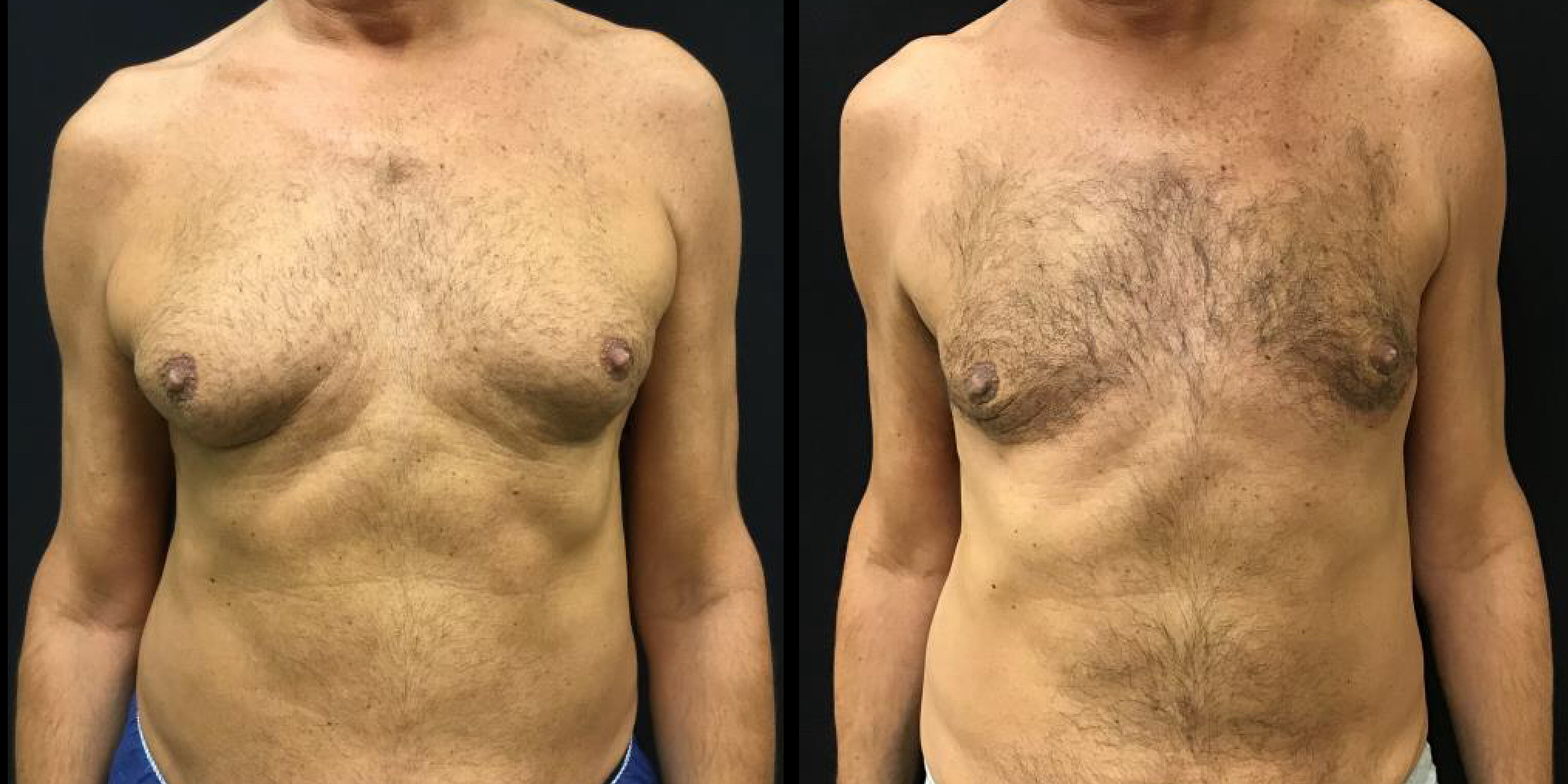

What is Gynecomastia?
Gynecomastia is the enlargement of male breast tissue caused by hormonal imbalance, weight changes, medications, or genetics. It can create a puffy or feminine chest appearance that often doesn’t improve with diet or exercise alone.
Am I a good candidate for gynecomastia surgery?
You may be a good candidate if you have enlarged male breast tissue, are in good health, maintain a stable weight, and want a flatter, more masculine chest. The best candidates are non-smokers or willing to stop smoking before surgery.
Can gynecomastia go away without surgery?
Sometimes mild cases caused by hormones or medications may improve over time, but true glandular gynecomastia usually requires surgery to permanently remove the tissue.
How is gynecomastia surgery performed?
The procedure typically removes excess glandular tissue and fat using liposuction, excision, or a combination of both to create a flatter, more contoured chest.
How much does gynecomastia surgery cost?
Gynecomastia surgery usually costs $5,000 to $10,000, depending on the severity of the condition, surgical technique used, anesthesia, and facility fees.
Does insurance cover gynecomastia surgery?
Most insurance plans consider gynecomastia surgery cosmetic and do not cover it, although coverage may be possible in medically necessary cases.
How should I prepare for gynecomastia surgery?
Patients are usually asked to stop smoking, avoid certain medications or supplements, and complete lab testing before surgery to ensure safe healing.
Is gynecomastia surgery painful?
Most patients experience mild to moderate soreness for a few days, which is typically well controlled with prescribed or over-the-counter pain medication.
How long is the recovery after gynecomastia surgery?
Most patients return to light activities within 3–5 days and resume exercise after 3–4 weeks, although swelling may take several weeks to fully resolve.
Will I have visible scars after gynecomastia surgery?
Small incisions are placed in discreet areas such as around the areola or chest crease, and scars usually fade significantly over time.
What are the risks of gynecomastia surgery?
Possible risks include swelling, bruising, infection, fluid buildup, temporary numbness, or uneven chest contour, though complications are uncommon when performed by an experienced surgeon.
What kind of aftercare is required?
Patients typically wear a compression garment for several weeks to reduce swelling and support healing, and they should avoid heavy lifting until cleared by their surgeon.
When will I see my final results?
Initial improvements appear once swelling decreases, but the final chest contour usually becomes visible within 3–6 months.
Can gynecomastia come back after surgery?
Recurrence is rare when glandular tissue is removed, but weight gain, steroid use, or hormonal changes could potentially cause enlargement again.
Will I need follow-up appointments?
Yes, follow-up visits are scheduled after surgery to monitor healing, remove sutures if needed, and ensure the chest contour is developing as expected.