 897 Lexington Ave. New York, NY 10065
 212-517-7900
 To this day, acne vulgaris is one of the most common dermatologic conditions. In fact, the global prevalence of acne is 9.4%, and among acne sufferers, roughly 20% experience a moderate to severe form. The average pimple patch is no longer enough to address this issue, as the root cause is wreaking havoc on the skin: bacteria trapped by excess sebum.
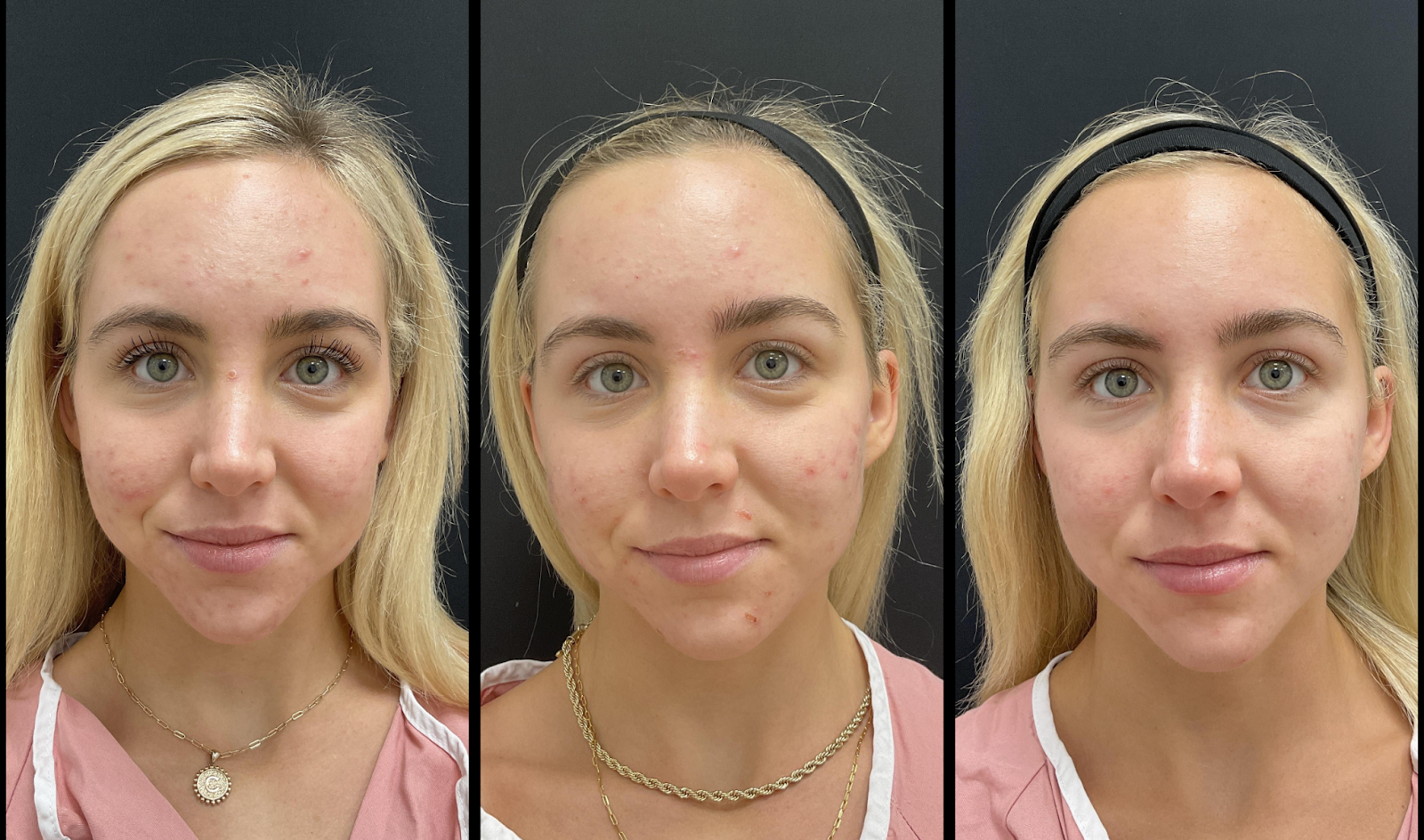
Recent developments, such as AviClear™, help manage acne breakouts in the long term. But how does it compare to traditional acne treatments? Each form of acne requires a specific approach, which may or may not require more than one type of treatment. This blog will offer some insight into AviClear™ and other forms of acne treatments, with a focus on their mechanism, safety, and efficiency.
What Causes Acne Breakouts?
Acne is caused by a mix of four factors: increased sebum production, proliferation of Cutibacterium acnes bacteria, follicular hyperkeratinization, and inflammation. Sebaceous gland activity is one of the main drivers of acne, as excessive sebum traps the bacteria within the pores, therein promoting their growth. Procedures like AviClear™ aim to decrease this production of sebum, which reduces acne breakouts in the long term.
How AviClear™ Works for Acne
AviClear™ is a laser treatment cleared by the FDA for treating acne vulgaris. The procedure uses a 1726nm laser to target the sebaceous glands and reduces sebum production over time. Its gentle action has been approved for all Fitzpatrick skin types and can be used for all forms of acne vulgaris.
When the sebaceous glands absorb the laser energy, thermal modulation in the glands occurs, which reduces the sebum output without drug interference. The laser’s activity can also destroy bacteria and diminish acne-associated inflammation to calm an existing breakout.
As it requires no chemicals or harsh approaches, the risk of extended or unpleasant side effects is minimal. Patients might experience some transient redness or short-lived flare-ups, but the long-term results are worth the temporary mild discomfort. The introduction of AviClear™ is considered a breakthrough in acne treatment, as it non-invasively targets the source of acne with minimal systemic reactions.
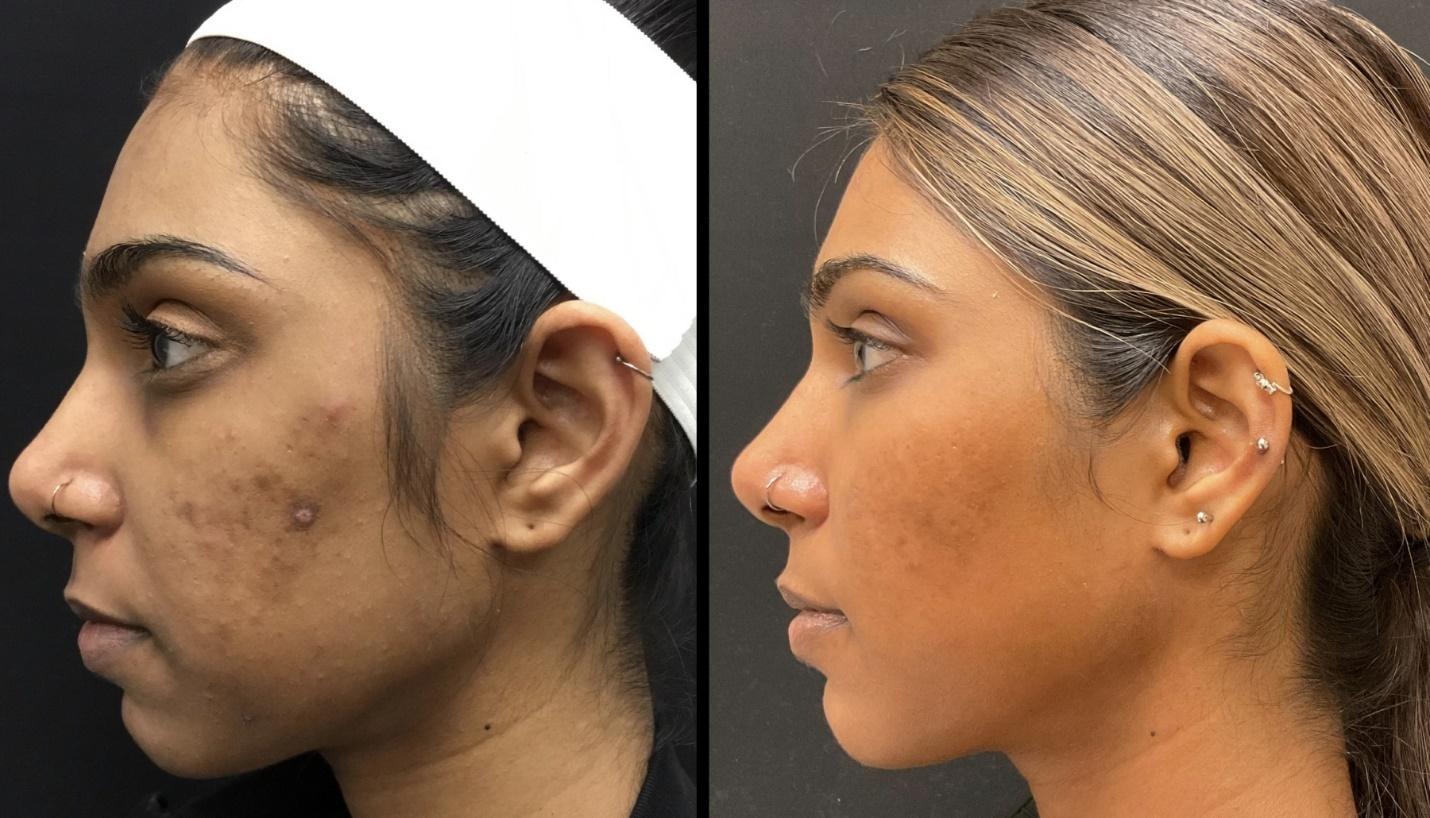
Comparison With Traditional Acne Treatments
Traditional acne treatments use internal solutions such as antibiotics and sebaceous gland suppressants to manage the symptoms of acne. Common treatment types before AviClear™ include the following:
- Oral Antibiotics: Oral antibiotics like doxycycline and minocycline are frequently prescribed to address inflammatory acne. Their goal is to kill the bacteria responsible for acne and reduce the bacteria population while decreasing systemic inflammation.
While effective, patients are required to take the medication every day, sometimes for several months, as opposed to AviClear™, which requires roughly three 30-minute sessions.
Most antibiotics are associated with side effects such as gastrointestinal issues, yeast infections, and antibiotic resistance. This is especially true with long-term use, which is why medical supervision is required. The treatment is effective in the short term, but the acne can relapse later without the appropriate maintenance.
- Oral Isotretinoin: Isotretinoin (Accutane) has a similar effect to AviClear™, as it suppresses the production of sebum. This powerful oral retinoid shrinks the oil glands systematically and normalizes follicular keratonization while offering anti-inflammatory effects.
The success rate is high for most patients after a full course of treatment, but, like antibiotics, the effect is most obvious while undergoing treatment.
Poor skincare, or not addressing the root cause, can lead to relapse, as . The internal nature of the treatment can also lead to side effects, including dryness, sun sensitivity, or liver strain. This is why AviClear™ is chosen as a modern alternative to Accutane, as it offers the same results over time with fewer adverse reactions.

Get Your AviClear™ and Acne Treatments Today!
Acne is stubborn, but with today’s technology, you may address it at its root. Targeting the sebaceous glands is one of the most effective ways to reduce acne breakout frequency, as it keeps the sebum production minimal. Schedule your appointment for an AviClear™ treatment today!
For more information about AviClear™ and traditional acne treatments, contact Dr. Ariel Ostad at 212-517-7900. He can offer the guidance you need to obtain clear skin. As an alternative, you can fill out the online contact form, and we will get in touch with you shortly.
Schedule a
Consultation
Consultation
By submitting this form you agree to be contacted via phone/text/email.