 897 Lexington Ave. New York, NY 10065
 212-517-7900
Loose, lax skin is one of the most common concerns patients bring to our practice, whether it develops after weight loss, pregnancy, or simply as a result of aging. Roughly 60-70% of overweight-to-obese patients experience noticeable skin changes after weight loss, and childbirth or significant life events can stretch tissue in ways that don’t always bounce back on their own.
Micro-coring skin tightening is a newer, non-surgical approach designed specifically for this problem. Rather than relying on heat to stimulate the skin, it physically removes small “cores” of tissue and lets the body’s own healing response do the tightening. Ellacor® 2.0 is the technology that currently delivers this treatment, and this guide breaks down how it works, what it treats, and how it compares to more familiar skin-tightening options.

What Is Micro-Coring?
Micro-coring is a skin-tightening treatment technique that uses a series of very small, hollow needles — each less than 0.5mm in diameter — to extract thin, cylindrical sections (or “cores”) of skin from a treatment area. As the wounds close, the skin around them contracts, and the body responds by producing new collagen and elastin.
This sets micro-coring apart from most other treatments in the skin-laxity category. Traditional microneedling only creates temporary punctures that stimulate healing without removing any tissue. Energy-based devices, like radiofrequency and ultrasound tools, rely on controlled heat to encourage collagen remodeling. Micro-coring instead combines mechanical tissue removal with the skin’s natural wound-healing process, all without applying heat to the treatment area.
How Ellacor Removes Micro-Cores of Skin
Ellacor® 2.0 is the FDA-cleared device that performs micro-coring in a clinical setting. During treatment, the handpiece’s hollow needles separate and extract tiny sections of excess skin using vacuum suction, while leaving the surrounding tissue intact.
A few details help explain how this process works in practice:
- Precision needle design: The needles use a tri-tip design for cleaner extraction and less trauma to surrounding tissue, which supports faster, more consistent healing.
- Vacuum-assisted extraction: Suction pulls the targeted skin into position so the needles can core it out accurately, which improves visibility and consistency across the treated area.
- No heat involved: Because the device doesn’t use lasers or radiofrequency energy, thermal damage risk stays low. This is one reason the treatment has been cleared for Fitzpatrick skin types I-IV, making it an option for a broader range of skin tones than many energy-based alternatives.
- Guided settings: Software built into the device helps standardize needle depth, density, and speed, reducing reliance on manual adjustments during treatment.
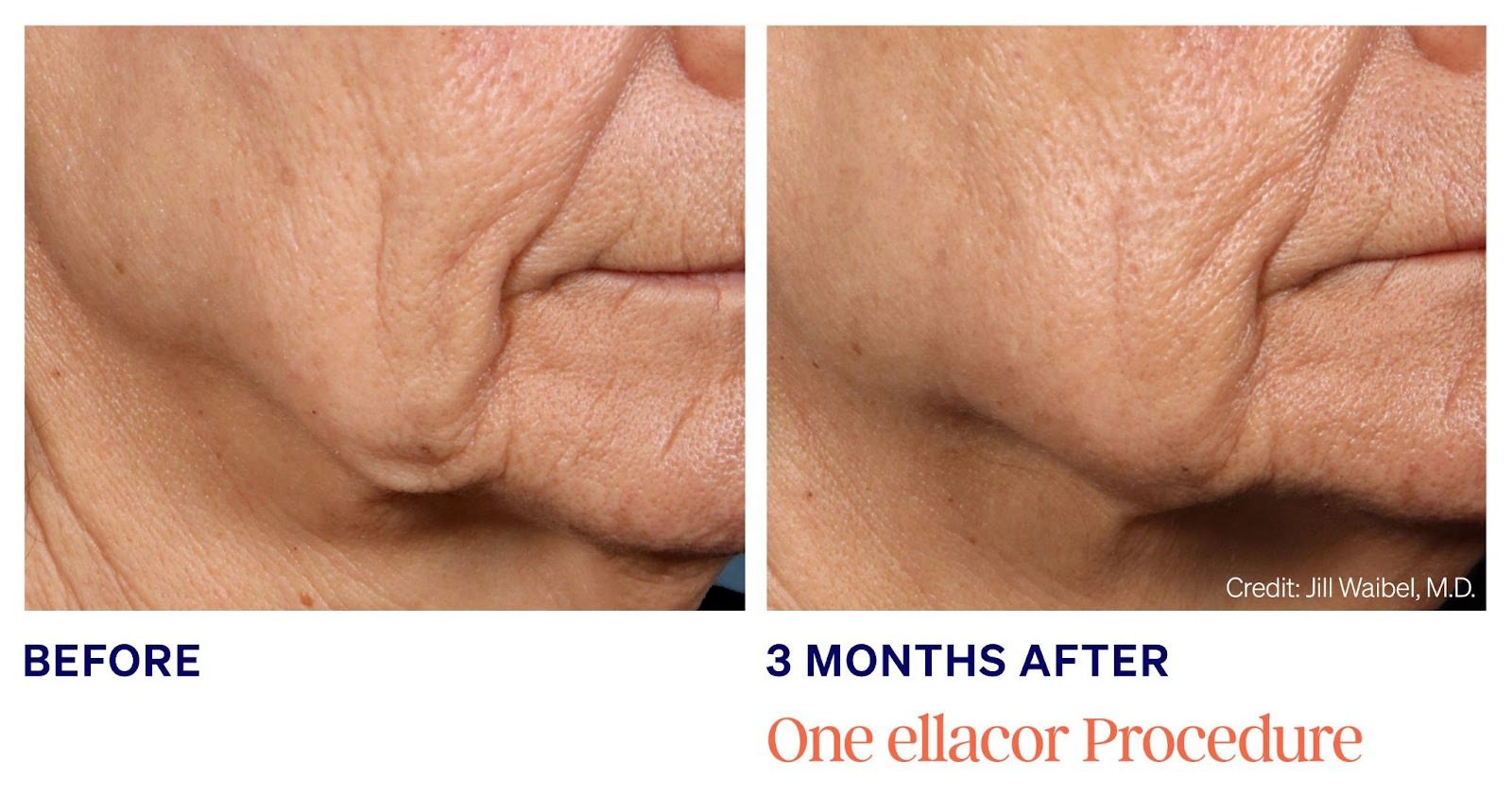
Depending on the settings used, micro-coring removes up to 8% of the skin in the treated area during a single session. Over the following weeks, the body closes those micro-wounds and rebuilds the area with new collagen, which is what produces the gradual tightening effect.

What Skin Concerns It Targets
Micro-coring was developed with one core problem in mind: skin that has lost its ability to snap back into place.
Skin Laxity, Loose Skin, and Facial or Neck Concerns
Micro-coring is most often recommended for patients dealing with:
- Mild to moderate skin laxity, particularly after weight loss, where the skin has stretched but hasn’t fully retracted
- Loose or crepey skin texture that has lost firmness over time
- Moderate to severe wrinkles and sagging on the face, especially around the lower face and jawline
- Early-stage neck laxity, where skin has started to loosen but hasn’t progressed to the point of needing surgical intervention
Because the treatment works by physically reducing excess tissue volume rather than only tightening what’s already there, it can be a useful middle-ground option for patients who have some genuine excess skin but aren’t ready for a surgical lift.
Treatment Areas
Earlier micro-coring devices were approved primarily for facial use, but current-generation technology has expanded that scope considerably. Micro-coring treatment is now used on:
- Face (cheeks, lower face, jawline)
- Neck
- Body areas affected by skin laxity, including the abdomen, arms, and thighs
This full-body clearance is part of what makes micro-coring a more versatile option than it was in earlier iterations, particularly for patients whose skin laxity extends beyond the face.
How It Differs From Energy-Based Skin Tightening
Patients researching skin-laxity treatments will typically come across two broad categories: energy-based devices and mechanical, tissue-removal-based devices like micro-coring. Understanding the distinction helps set realistic expectations.
Micro-Coring vs. RF and Ultrasound (Where Appropriate)
- Mechanism: Radiofrequency (RF) and ultrasound devices heat tissue at a controlled depth to trigger collagen contraction and remodeling. Micro-coring instead removes small amounts of tissue directly, without heat, and relies on the wound-healing process to tighten the area.
- Tissue volume: Energy-based devices don’t remove tissue; they encourage the existing tissue to contract and remodel. Micro-coring physically reduces skin volume in the treated area, which can make it a better fit for patients with more noticeable excess skin.
- Skin tone considerations: Because there’s no thermal component, micro-coring carries a lower risk of heat-related pigment changes, which is part of why it has been cleared across a broad range of Fitzpatrick skin types.
- Downtime: RF and ultrasound treatments typically involve minimal downtime. Micro-coring involves a short recovery period — with newer devices, this has been reduced to roughly 3.4 days on average, about half of what earlier micro-coring devices required.
Neither approach is universally “better” — the right choice depends on the degree of skin laxity, skin tone, and how much downtime a patient can accommodate. This is a conversation worth having with a qualified provider before choosing a treatment path.
Candidate Considerations
Micro-coring tends to work best for patients who:
- Have mild to moderate skin laxity rather than significant, surgical-level excess skin
- Are looking for a non-surgical option before considering a more invasive procedure like a lift
- Want to avoid heat-based treatments, whether due to skin tone, sensitivity, or personal preference
- Can accommodate a few days of visible healing (redness, pinpoint marks, mild swelling) as the skin recovers
- Are within the Fitzpatrick I-IV skin type range currently covered by FDA clearance
As with any skin-tightening procedure, results depend on individual skin quality, the degree of laxity present, and the treatment plan a provider recommends. A consultation is the best way to determine whether micro-coring, an energy-based device, or a combination approach is the right fit.
Talk to a Provider About Micro-Coring Skin Tightening
If loose or lax skin is affecting how you feel about your face, neck, or body contour, micro-coring may be worth discussing as part of your treatment options. Dr. Ariel Ostad offers Ellacor® 2.0 treatments at his Manhattan practice and can help determine whether micro-coring, an energy-based alternative, or a combination approach best fits your skin and goals.Call 212-517-7900 or fill out the online contact form to schedule a consultation.
FAQs
What is micro-coring?
Micro-coring is a skin-tightening technique that uses very fine, hollow needles to remove tiny cylindrical sections of skin from the treatment area. As those micro-wounds heal, the skin contracts and the body produces new collagen and elastin, resulting in a firmer, tighter appearance over time.
How does Ellacor tighten skin?
Ellacor® 2.0 delivers micro-coring using vacuum-assisted, hollow needles that extract small cores of tissue without heat. The device’s software helps standardize needle depth and speed, and the resulting wound-healing response is what drives the collagen production behind the skin-tightening effect.
Is micro-coring the same as microneedling?
No. Traditional microneedling creates temporary punctures in the skin to stimulate a healing response, but no tissue is removed. Micro-coring physically extracts small sections of skin, which reduces tissue volume in the treated area in addition to triggering collagen production — a meaningfully different mechanism from microneedling.
Schedule a
Consultation
Consultation
By submitting this form you agree to be contacted via phone/text/email.