 897 Lexington Ave. New York, NY 10065
 212-517-7900
 Skin health needs one thing to look its best, and that’s balance. It requires proper hydration, correct nourishment, and overall, a healthy lipid concentration. When the balance is off, the skin begins to react, usually causing it to release more sebum than usual.

These oils are naturally released by your sebaceous glands to protect the skin. However, excessive amounts of sebum frequently backfire and lead to a condition called acne. Roughly 9.4% of the global population has this issue, and understanding its connection to sebum production is the first step to addressing it.
What Is Sebum?
Sebum is a natural, oily substance that your sebaceous glands produce to lubricate and protect the skin. It’s mostly made from lipids, fatty acids, and wax esters. Most of your skin areas have oil glands, but the sebum is found in the highest concentrations on the face, scalp, back, and chest.
The skin needs sebum to prevent excessive water loss and support the lipid barrier. It’s also responsible for delivering antioxidants like vitamin E to the surface, which gives you that dewy and healthy glow. You need sebum, but problems appear once the body starts producing too much of it.
What Controls Sebum Regulation?
Excessive sebum production doesn’t happen out of nowhere. It is usually heavily influenced by a mix of diet, genetics, and, most importantly, hormones. Below are the factors that control the amount of sebum produced by your skin:
1. Androgens
Androgen hormones like testosterone are among the main drivers of excessive sebum production. These attach themselves to the receptors in your sebaceous glands, telling them to grow bigger and produce more oil. Such hormones frequently peak before periods or during puberty, which is why you tend to get more acne in those moments.
2. IGF-1
Insulin-like growth factors 1 (IGF-1) also have a great role in sebum regulation. Foods that spike your blood sugar, such as carbs, added sugars, or starches, generally increase IGF-1 levels. This consequently triggers androgen activity, which boosts the production of sebum.
3. Environmental Factors
Your skin is the main shield that protects you from external factors. Under normal circumstances, it behaves properly and stays in balance. However, if the humidity drops or you start using harsh cleansers that strip your oils, the skin begins to react. It will try to compensate for the dryness by creating more sebum, making you vulnerable during season changes.
How Excessive Sebum Production Leads to Acne
Many people believe that acne happens because their skin is oily, which is why they use products to strip it of the offending layer. The real problem occurs when the oil becomes dysregulated. Excess oil production creates an environment where acne can form and thrive as follows:
1. Hyperseborrhea (Overproduction)
Your sebaceous glands are attached to your hair follicles. Once triggered, they go into hyperseborrhea (overproduction) and fill the pore with excess oil. In the initial stage, this is generally called “oily skin.” The sebum produced at this point is of a lower quality and of a thicker consistency, which influences its behavior in the next stages.
2. Sebum Accumulation
The sebum produced in excess travels out of the pore and goes upward to the skin surface. At this stage, the body makes the oils faster than it can shed, leading to a buildup that forms a shiny layer. Depending on the person, this “film” can have a thick texture.
- Follicular Hyperkeratosis (Clogged Pores)
3. Follicular Hyperkeratosis (Clogged Pores)
Under normal circumstances, the body removes dead skin cells through its natural resurfacing process. However, for those with acne-prone skin, these cells become “glued” to the skin because of the sticky sebum, forming clumps. This eventually creates a plug for the pores, known as a “comedone.”
4. Bacterial Overgrowth
Your skin naturally has bacteria called Cutibacterium acnes living on it. The organism usually resides in the pores, and the trapped sebum creates the perfect environment for it. The bacteria start feeding on the excess sebum, which leads to free fatty acids irritating the pore lining. Your immune system sees this as a threat and reacts, leading to the red and swollen lesions we know as pimples.
5. Long-Term Skin Changes
Poor sebum regulation also has potential for long-term skin modifications, such as enlarged pores. The continuous flow of sebum keeps stretching the walls, causing the affected pores to grow larger. These can trap even more bacteria and dead skin cells, leading to frequent angry-looking breakouts.
How Different Therapies Address Sebum Regulation
Excess sebum drives the production of acne, but too little could cause the skin to become reactive. This is why professionals focus on restoring a healthy balance, using treatments like:
- Retinoids: Medical-grade skincare that contains retinoids helps improve skin cell turnover. This keeps them from becoming trapped alongside the sebum in your pores. Retinoids also naturally reduce the amount of sebum secreted by the skin, preventing whiteheads and blackheads.
- Hormonal or Oral Treatments: Internal problems usually involve medication that regulates androgen activity to control the sebum. Others may prefer to go for oral isotretinoin, which targets the sebaceous glands and lowers sebum production.
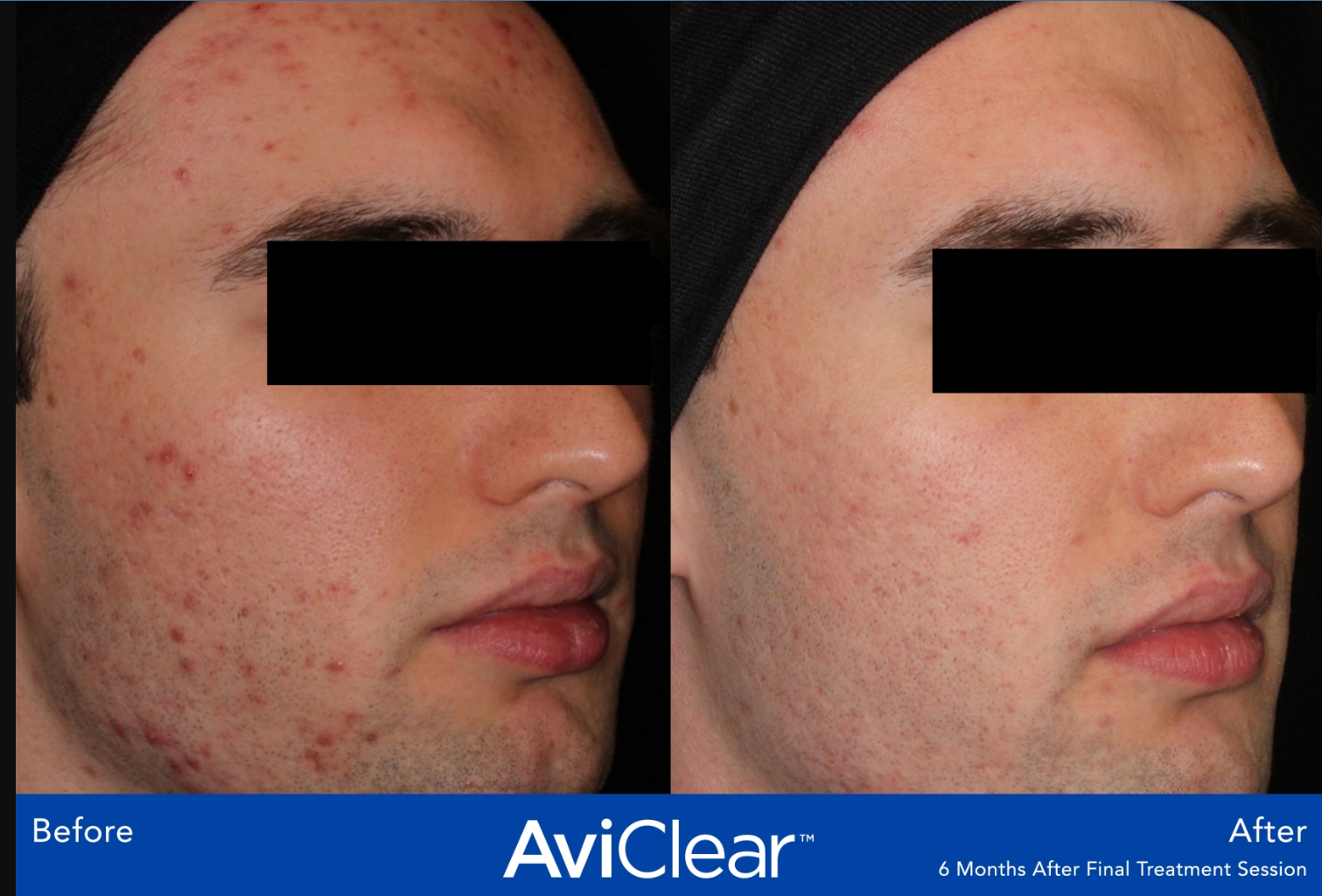
- Laser Treatments: New technologies like AviClear™ help regulate the production of sebum without relying on medication. This breakthrough treatment uses a specific laser wavelength to heat the oil gland and suppress the excess.
Each patient is different, which is why a consultation is necessary to determine the correct path.
Get Your Sebum Under Control Today!
Sebum is an essential part of your skin that helps it stay healthy. However, too much of it can lead to regular acne breakouts. Learning what makes it tick is the first step to obtaining clear skin. Schedule an appointment with Dr. Ariel Ostad today and learn more about your skin!
To learn more about acne and why sebum regulation matters, contact Dr. Ariel Ostad at 212-517-7900.He can offer the insight you need to make a decision. As an alternative, fill out the online contact form, and we will get in touch soon!
Schedule a
Consultation
Consultation
By submitting this form you agree to be contacted via phone/text/email.