 897 Lexington Ave. New York, NY 10065
 212-517-7900
 Acne used to be a condition associated with your teenage years, which you’d grow out of after reaching adulthood. This is why many find it baffling that they reach maturity and they still struggle with acne.

These issues are more common than you may think, as 50 percent of women and 42 percent of men in their 20s still get regular breakouts. But what can you do to address acne’s reappearance? This blog will offer some guidance on how to approach the situation.
What Causes Acne in Adults?
Acne happens when a hair follicle becomes clogged with dead skin cells, oil, and bacteria. Acne breakouts can appear in different areas and patterns, but it’s more common on the forehead, jawline, chin, and lower cheeks. The body reacts to this and triggers an immune response, sending white blood cells to the area.
Many white blood cells die when they attack the acne bacteria, destroying them before going into apoptosis (cell suicide). This results in pockets that are packed with pus, white blood cells, and dead bacteria. Most times, this process forms pustules (or pimples), but it can also lead to whiteheads, blackheads, papules, cysts, or nodules.
Why Is Acne So Common in Adults
Adult acne tends to have different triggers, patterns, and treatment needs. In teenagers, it generally happens because their bodies are going through natural changes, triggering hormonal shifts. In adults, it’s triggered by lifestyle habits and hormonal shifts.
Below are the most common underlying causes of acne in adults:
1. Hormonal Fluctuations
Hormones are the part that trigger the overproduction of sebum. Just because you’re an adult, it doesn’t mean that your hormones no longer shift. This is especially the case for women, who experience these changes during their menstrual cycles, pregnancy, or perimenopause. Birth control can help control acne vulgaris, but switching treatments can cause a hormonal shift and trigger a breakout.
2. Skincare Overload
Ironically, the easy availability of skincare products has brought us a different problem: damage to the skin barrier. Many adults dealing with acne will try multiple ingredients, such as retinoids and acids, at the same time.
Moderate treatments are good, but when the skincare is overused, it disrupts the lipid barrier that keeps everything in balance. This leads to irritation, increased oil production, and more frequent breakouts.
3. Chronic Stress
Roughly 48 percent of individuals going through periods of chronic stress have moderate acne. It’s one of the most common triggers for those who live in busy city settings, where their lives are controlled by deadlines. The body starts releasing cortisol when it experiences stress, which activates the oil glands and sends inflammation throughout the entire system.
This can clog your pores and cause acne, but also make the skin more reactive. The healing process slows as well during high-cortisol times, which means the lesions could be there for longer.
4. Environmental Factors
Usually, acne gets worse when exposed to specific environmental triggers. Pollution can trigger oxidative stress in the body. This, in turn, damages the skin barrier and disrupts the oil production. Fine particulate matter also mixes with dead skin cells and sebum, increasing inflammation and leading to higher acne rates.
5. Dietary Issues
Bad diets on their own don’t give you pimples, but they create an environment where they can thrive. High-glycemic foods, excess dairy, and ultra-processed meals increase androgen activity and IGF-1 levels, which can kick up sebum production.
While this doesn’t apply to everyone in the same way, some are particularly sensitive to these foods and can experience more frequent acne breakouts.
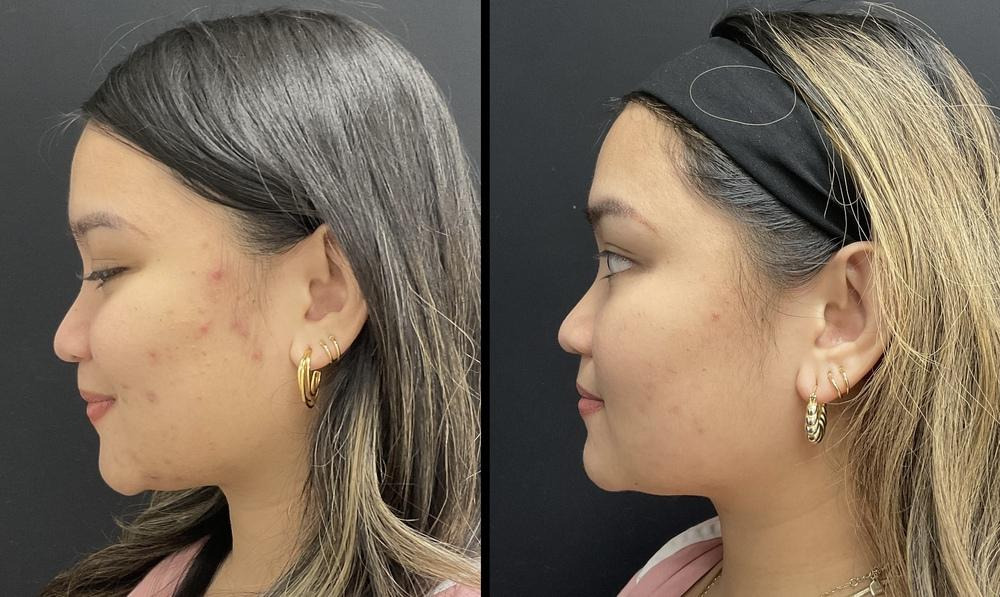
What You Can Do About Adult Acne
Adult acne is complex, as you never truly know what caused it. That said, several strategies can reduce the appearance of breakouts, bringing the skin back under control. This can include the following treatments:
- Medical-Grade Skincare
Dermatologist-approved skin products are created to address specific types of concerns and restore the skin barrier. With acne, it’s not about eliminating the sebum, but balancing its production.
Targeted medical-grade skincare contains higher concentrations of ingredients like niacinamide, salicylic acid, and azelaic acid. Routines like the acne regimen set can calm the inflammation while reducing oil buildup.
- Internal Trigger Management
When acne is caused by internal issues, systemic treatments may be recommended to address the issue. Hormonal therapy may be prescribed to bring the androgen levels to a correct point, whereas antibiotics may be used to treat existing inflammatory acne. These are usually part of comprehensive therapies, which also include external treatment.
- Laser Therapy
Living in modern times, dermatologists now use laser treatments like Laser Genesis to address the main cause of adult acne. Procedures like AviClear™ use a 1726nm wavelength to treat different degrees of acne, targeting the sebaceous glands directly. With time, the glands will shrink and produce less oil, which reduces the chances of future breakouts.
Effects are long-term and minimally invasive, making it a suitable choice for those who don’t want to undergo oral acne treatments.
Get Your Acne Under Control Today
Breakouts as an adult are frustrating, but not as uncommon as you may think. Acne is not caused by poor hygiene or personal failure, but it’s a reaction to specific stressors (internal and external). Understanding what causes it can help you in your journey toward clear skin. Schedule an appointment with Dr. Ariel Ostad today and find out what you can do about your acne!
For more information about adult acne and how to deal with it, contact Dr. Ariel Ostad at 212-517-7900.He can do an assessment of your skin and suggest the appropriate treatment for your needs. You can also fill out the online contact form, and we will get in touch with you shortly.
Schedule a
Consultation
Consultation
By submitting this form you agree to be contacted via phone/text/email.