 897 Lexington Ave. New York, NY 10065
 212-517-7900
 As wellness trends continue to influence the skincare industry, “oral sunscreen” has become one of the latest buzzworthy products. Promoted by influencers and wellness brands alike, these supplements promise to help protect the skin from sun damage with the convenience of a daily capsule.
While the concept is appealing, it’s important to understand what these products can—and cannot—do.
The short answer? No oral supplement can replace traditional sunscreen.
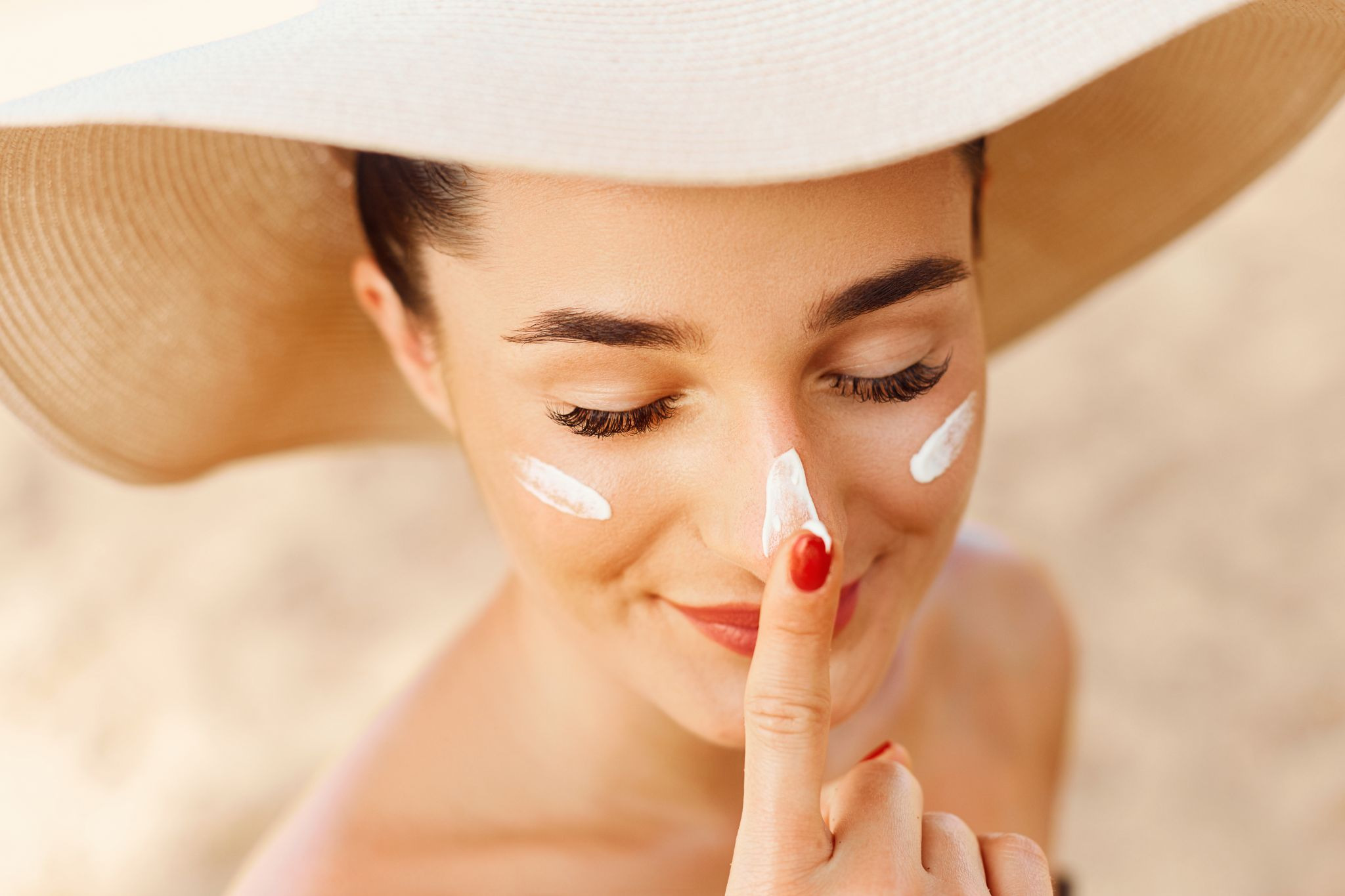
What Is “Oral Sunscreen”?
The term “oral sunscreen” is actually a bit misleading.
Unlike topical sunscreens, which physically or chemically block ultraviolet (UV) rays from penetrating the skin, oral supplements do not create a protective barrier. Instead, many contain plant-derived antioxidants such as Polypodium leucotomos extract, lycopene, beta-carotene, astaxanthin, or vitamins C and E. These ingredients are being studied for their ability to help reduce oxidative stress caused by UV exposure.
In other words, they may help the body respond to some of the damage caused by sunlight—but they do not stop UV rays from reaching your skin.
Why Topical Sunscreen Remains Essential
The only proven way to prevent UV radiation from penetrating the skin is by applying a broad-spectrum sunscreen with an SPF of 30 or higher.
Topical sunscreens help protect against:
- Sunburn
- Premature aging
- Hyperpigmentation
- DNA damage
- Skin cancers, including melanoma
No oral supplement has been shown to provide an equivalent level of UV protection or an SPF comparable to a topical sunscreen.
The Problem With the Term “Oral Sunscreen”
One of the biggest concerns among dermatologists is the name itself.
Calling these supplements “oral sunscreen” can create a false sense of security, leading some people to spend longer periods in the sun without adequate protection. This can significantly increase the risk of cumulative sun damage.
The U.S. Food and Drug Administration (FDA) has also cautioned companies against marketing dietary supplements as sunscreens because there is no evidence that they provide the same protection as topical products.
Can They Still Be Helpful?
Potentially—when used appropriately.
Some research suggests that certain antioxidant supplements, particularly Polypodium leucotomos, may help reduce some of the skin’s inflammatory response to UV exposure and may provide additional support for individuals with conditions such as melasma or those who experience significant sun sensitivity.
However, these supplements should be viewed as an adjunct to sun protection—not a substitute.
Think of them as adding another layer to your overall skin health strategy rather than replacing the foundation.
A Complete Sun Protection Routine
The most effective approach to protecting your skin combines several strategies:
- Apply a broad-spectrum mineral sunscreen with SPF 30 or higher every day.
- Reapply every two hours when outdoors, and after swimming or sweating.
- Wear wide-brimmed hats, UV-protective clothing, and sunglasses.
- Seek shade whenever possible, especially during peak midday hours.
- Consider antioxidant-rich skincare or physician-recommended supplements as complementary support—not as replacements for sunscreen.
Our Perspective
As dermatologists, we’re always excited by innovations that may improve skin health. The growing interest in oral antioxidants and wellness reflects an important shift toward supporting the skin from the inside out.
At the same time, it’s essential to separate promising science from marketing trends.
Oral antioxidant supplements may have a role in a comprehensive skincare routine for select patients, but they cannot prevent UV radiation from reaching the skin or replace the proven protection offered by a high-quality mineral sunscreen.
Protecting your skin from the sun is one of the most effective steps you can take to preserve healthy, youthful skin and reduce your risk of skin cancer. For now—and for the foreseeable future—that protection still starts with a daily broad-spectrum mineral sunscreen.
If you’re interested in incorporating oral antioxidant supplements into your skincare routine, speak with your dermatologist. A personalized approach can help determine whether they’re appropriate for your skin type, lifestyle, and individual risk factors.
Schedule a
Consultation
Consultation
By submitting this form you agree to be contacted via phone/text/email.